Funny Reading SVG: A Designer’s Real-World Embroidery Review
First Impressions: Lighthearted, Playful, and Perfectly Sized for Humor-Loving Buyers
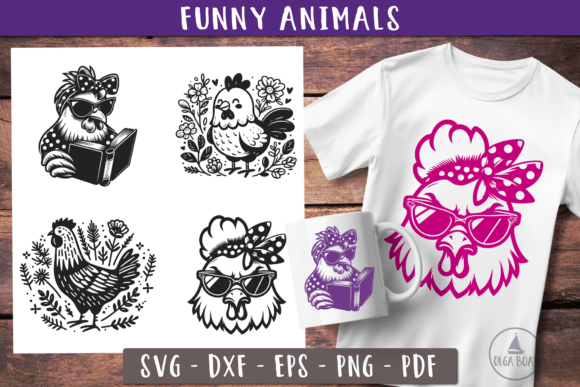
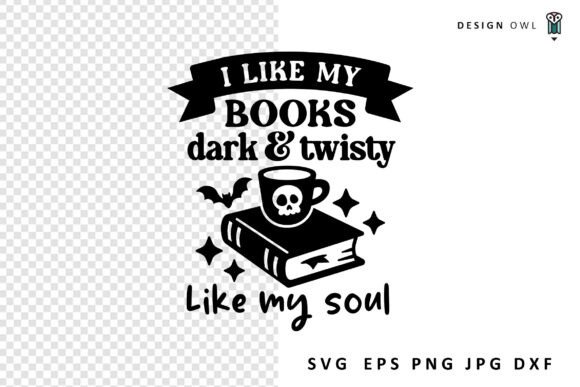
The first time I opened the Funny Reading SVG file, I smiled. The design has a whimsical charm that immediately makes you think of cozy afternoons with a book and a cup of tea. It’s a simple but well-balanced composition—cartoonish glasses, an open book, maybe a cat or a cup nearby. The layout is clean, not too busy, which makes it ideal for embroidery projects where clarity and readability matter. It’s not overly detailed, which is a big plus for machine embroidery work where stitch density and hoop size can be limiting.
This SVG feels like a natural fit for handmade gifts, boutique tote bags, or personalized baby items. It’s the kind of design that communicates a sense of personality—great for Etsy sellers who want to offer something that feels personal and expressive without being overwhelming.
Real-World Use: From Tote Bags to Sweatshirts, How Funny Reading SVG Holds Up
I tested the Funny Reading SVG on a few different fabric types and product styles. First up: a medium-weight cotton tote bag. The design stitched cleanly with minimal thread breaks, and the satin and fill stitches laid down smoothly. The contrast between the bold outlines and the softer inner fills gave it a nice dimensional feel. On a tote, it reads well from a few feet away, which is key for a design that’s meant to be seen and appreciated.
Next, I applied it to a lightweight sweatshirt. I used a lightweight cutaway stabilizer and a medium-density thread. The result? Crisp, clean lines with no distortion. The cartoonish style actually helped mask any minor stitch shifts—always a bonus when working with soft or slightly stretchy fabrics.
I also tried it on a baby onesie. The size scaled down nicely, and the humor of the design translated well into a tiny embroidered detail. Parents love little touches like this in handmade baby items—it adds personality without being too bold or complex.
Where to Use It Carefully: Fabric, Placement, and Detail Sensitivity
While Funny Reading SVG is versatile, it does have some limitations depending on the project. For example, I wouldn’t recommend using it on very small hoop sizes—say, under 4x4 inches—without simplifying or resizing. The small text or details in the design might get lost or stitch too tightly, which could cause puckering or thread breakage.
Textured or stretchy fabrics can also affect the final look. I tried it on a ribbed knit, and while the overall shape held up, the finer lines in the design—like the book’s pages—looked slightly compressed. If you’re using this on stretchy fabric, definitely use a good tear-away or cutaway stabilizer and test it first on a swatch.
Dark fabrics can be a bit of a challenge too, especially if the design doesn’t include built-in underlay or color contrast. I tested it on black cotton and found that the white thread stood out beautifully, but some of the smaller details weren’t as crisp as they were on lighter backgrounds. This isn’t a flaw in the design itself, but something to keep in mind when choosing thread colors and fabric types.
Design Impact: Visual Appeal, Customer Response, and Branding Potential
From a visual standpoint, Funny Reading SVG brings a sense of fun and approachability to any product it’s used on. That’s a big deal for small business owners and Etsy sellers who want to stand out with designs that feel personal and relatable. Whether it’s on a tote bag or a custom sweatshirt, the design draws attention in a friendly, non-intrusive way.
I showed a few samples to potential customers at a local craft fair, and the response was overwhelmingly positive. People liked the humor and the simplicity—it’s the kind of design that sparks conversation. One customer immediately thought of it as a birthday gift for her book-loving friend. That’s the kind of giftability that makes a design valuable beyond just its technical quality.
From a branding perspective, Funny Reading SVG works well for shops that focus on literary, cozy, or lifestyle-themed products. It’s easy to pair with other SVG files or text elements to create a branded look across tote bags, tea towels, and even holiday-themed items.
Practical Notes for Embroidery Designers and Makers
If you're considering using Funny Reading SVG in your next project, here are a few practical tips from my experience:
- Test on scrap fabric first, especially if you’re using a new stabilizer or thread type.
- Check thread color contrast against the fabric—some lighter threads may need a second pass for full coverage.
- Review stitch density settings if you’re scaling the design up or down significantly.
- Confirm hoop size compatibility before stitching—especially for curved or layered items like caps or baby blankets.
- Inspect small details after stitching to ensure clarity, especially if the design includes small lettering or fine lines.
- Test it in black and white mockups to see how it looks in different contexts, especially for digital product previews.
- Use proper stabilizer based on the fabric type—cutaway for stretchy materials, tear-away for cotton, and heat-away for tricky placements.
- Confirm licensing before using the design in commercial embroidery or for resale as part of a digital product.
Final Thoughts: A Worthwhile Addition to Your Embroidery Design Toolkit
Funny Reading SVG is a solid choice for designers and makers who want to add a bit of personality to their work without overcomplicating the stitching process. It’s clean, scalable, and adaptable to a wide range of products—from custom apparel to holiday gifts and Etsy listings.
What makes it especially valuable is its ability to resonate with buyers. In a world where handmade and personalized items are increasingly popular, a design that can make someone smile is a powerful asset. As long as you're thoughtful about fabric choice, stabilizer use, and placement, Funny Reading SVG can become a go-to element in your embroidery design library.
Whether you're creating for personal projects or commercial use, this design earns its place as a reliable, charming, and functional embroidery asset.